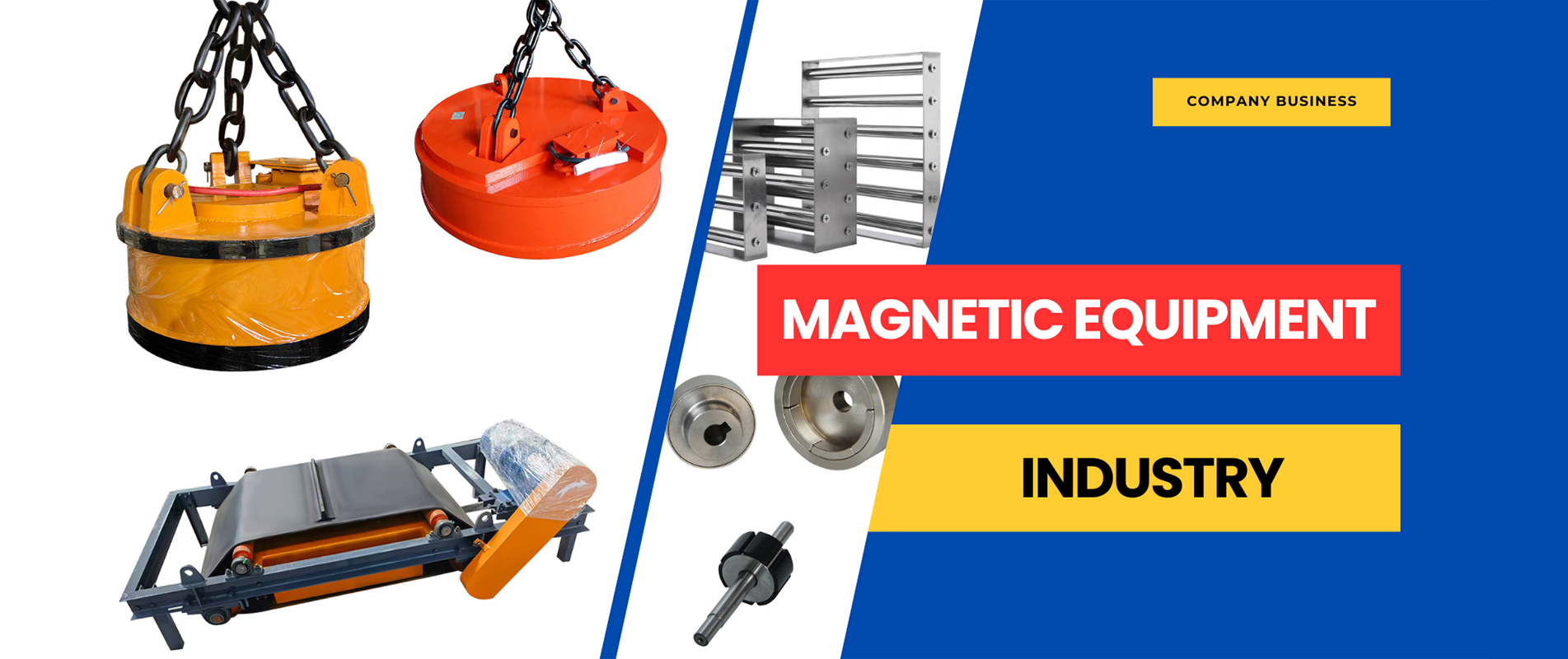
What We Make

Learn More

Technical Advantages

We been deeply involved in the field of magnetic transmission and industrial magnetic applications for 20 years and has built a complete industrial chain from basic research on magnetic materials, product design and development to system integration services.

Learn More
  • Relying on cutting-edge magnetic circuit optimization technology, we have maximized the use of magnetic field strength and significantly improved product performance. 
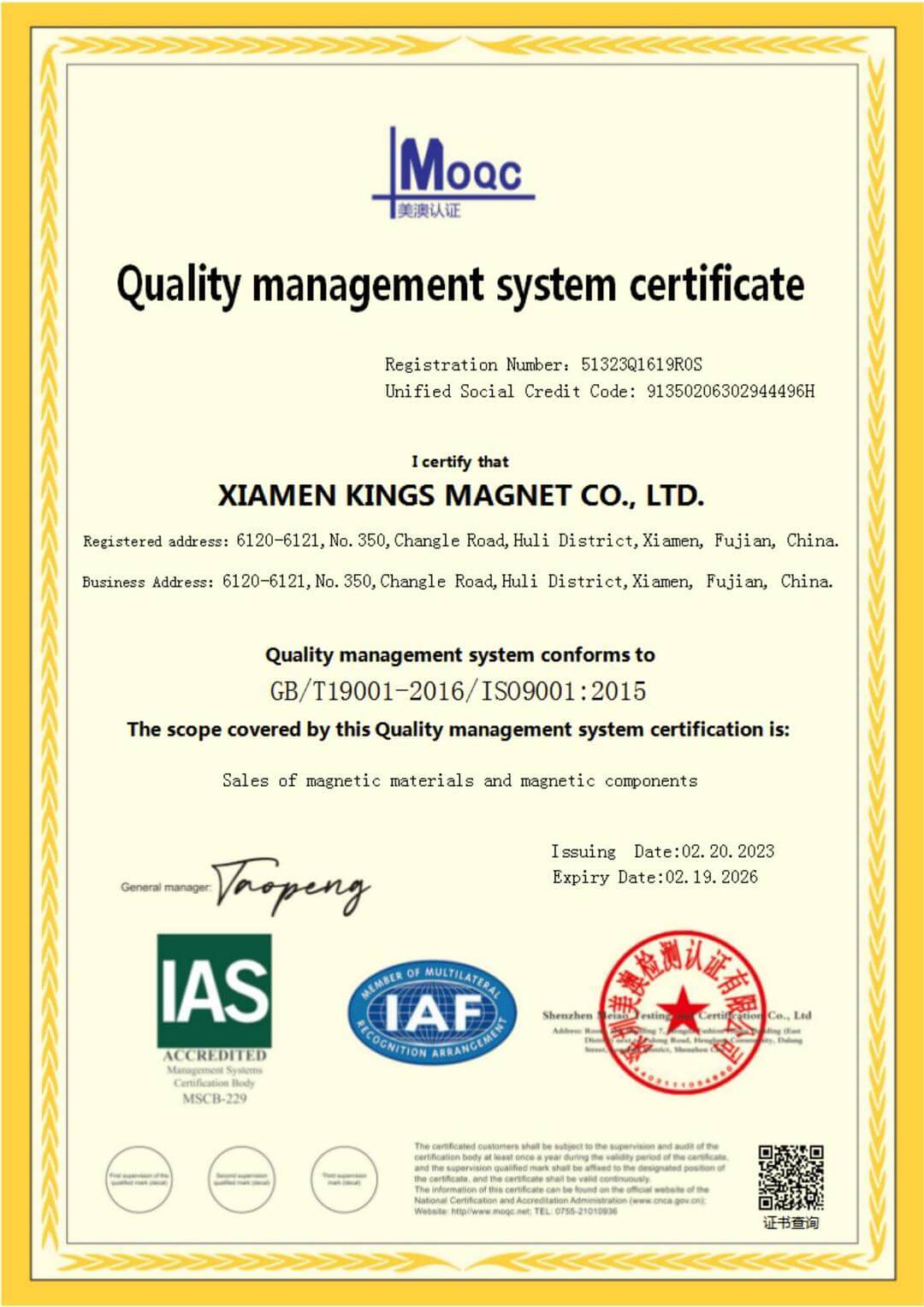
  • From high-purity magnetic material screening to precision processing, we strictly implement the ISO 9001 quality management system.
  • We combine years of industry experience to tailor solutions for you. We do not provide "standard answers", but only "the most suitable answers".
  • 48-hour technical response, providing 3D models, installation guidance and maintenance support.

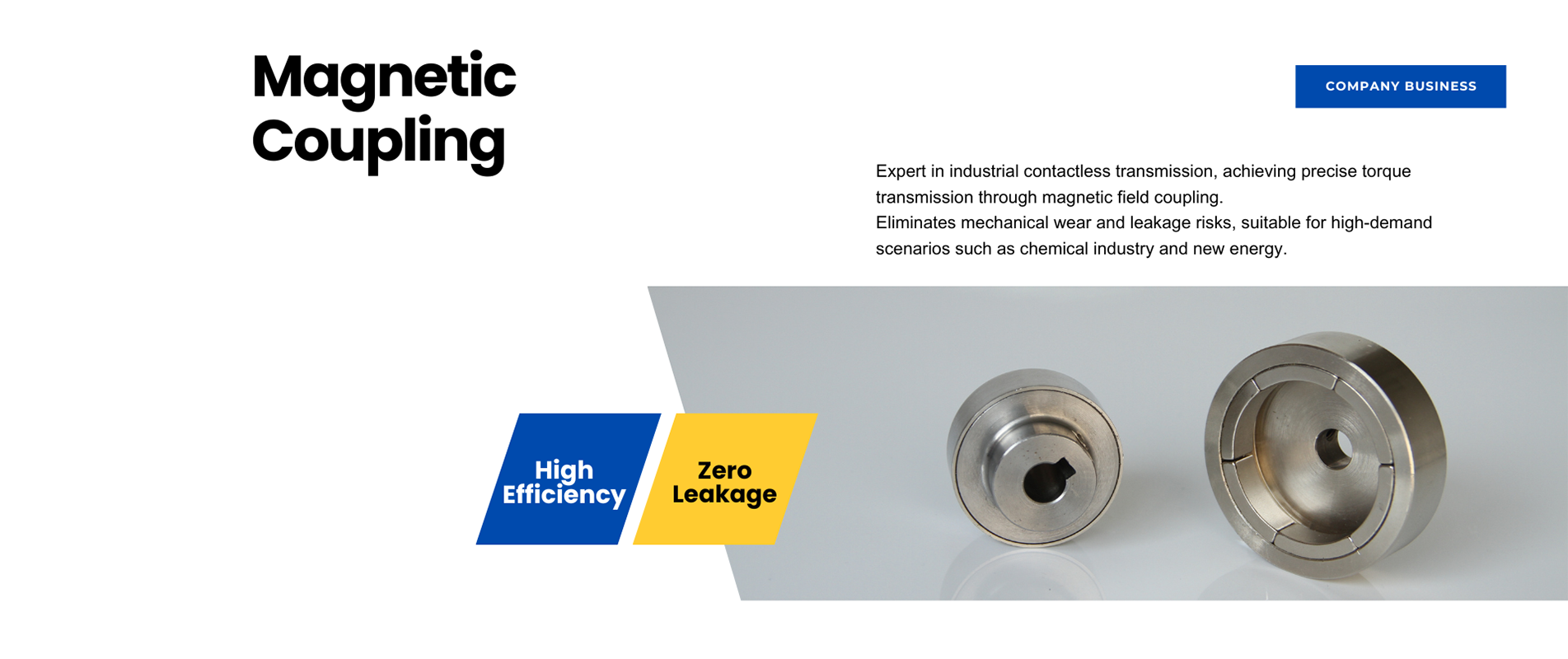
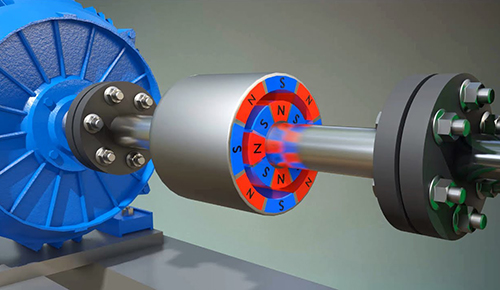
High-Performance Magnetic Coupling

In line with the enterprise policy of "Integrity-based, Continuous Innovation", we strive to achieve the ultimate goal of sincere cooperation, win-win cooperation'.
Get in Touch

Industries We Serve

Solution

We provide customers with full-cycle technical solutions, from demand analysis to after-sales support, to ensure accurate matching of application scenarios.

Learn More
Solution

About Kingsmagnet

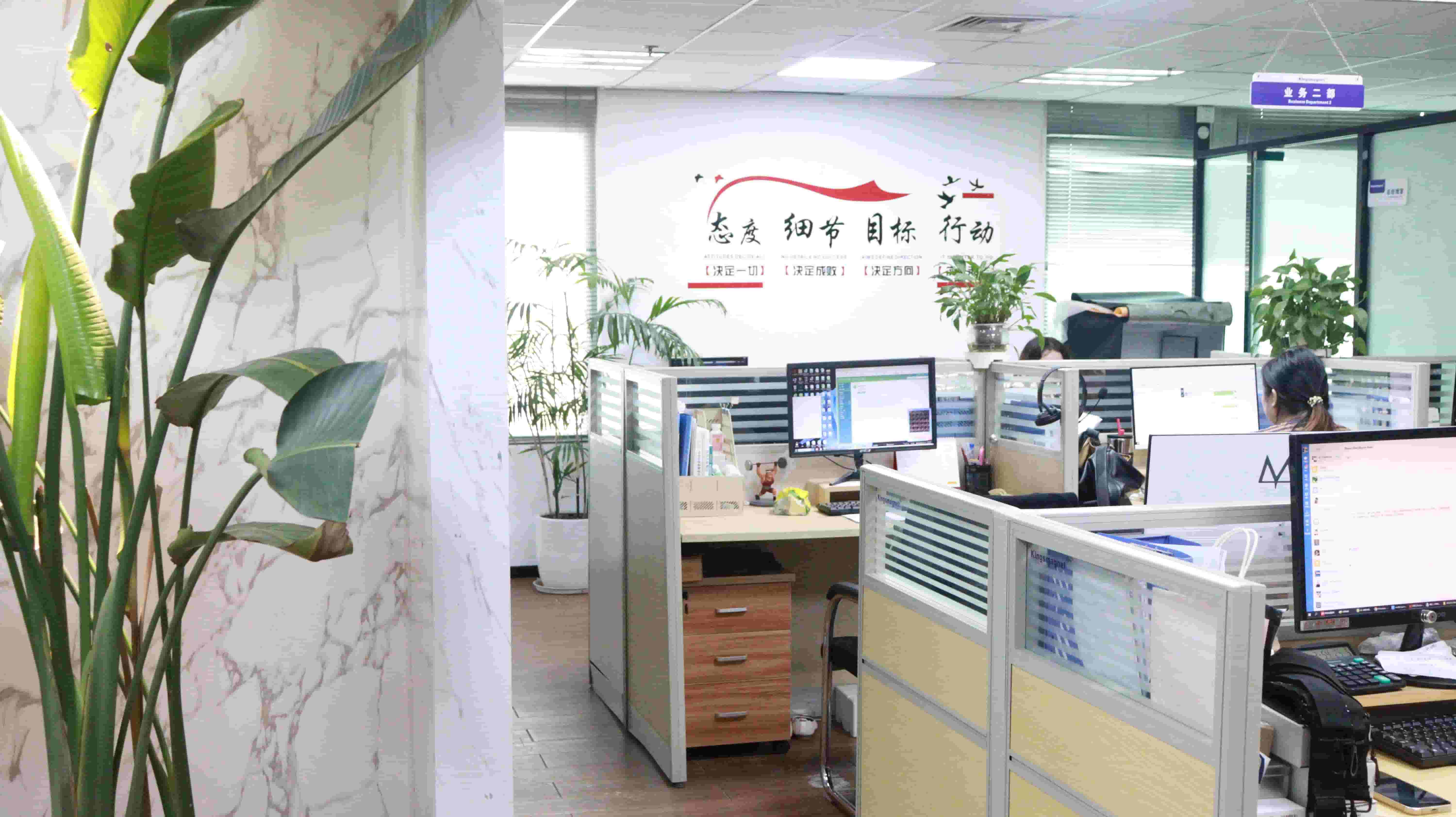
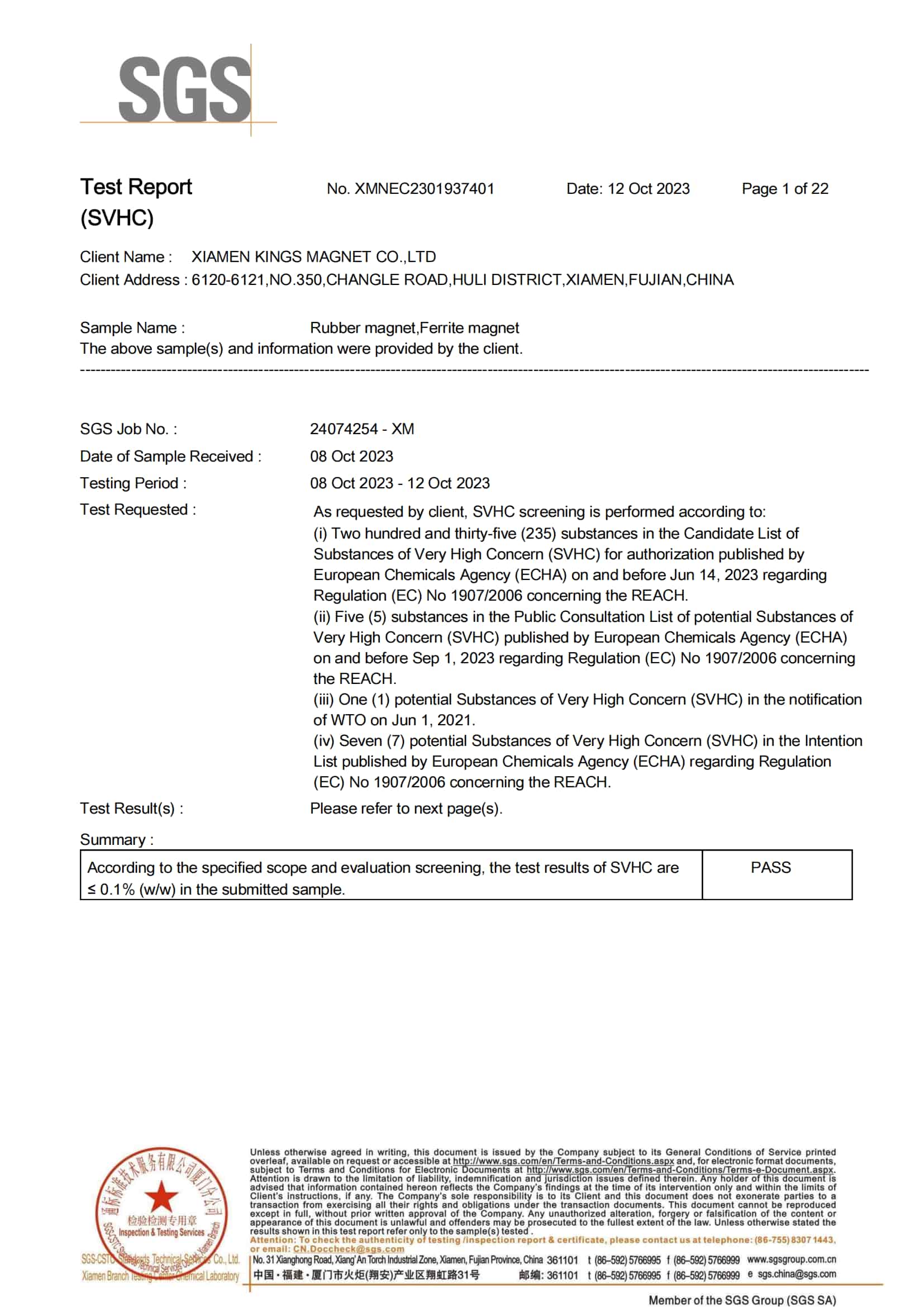
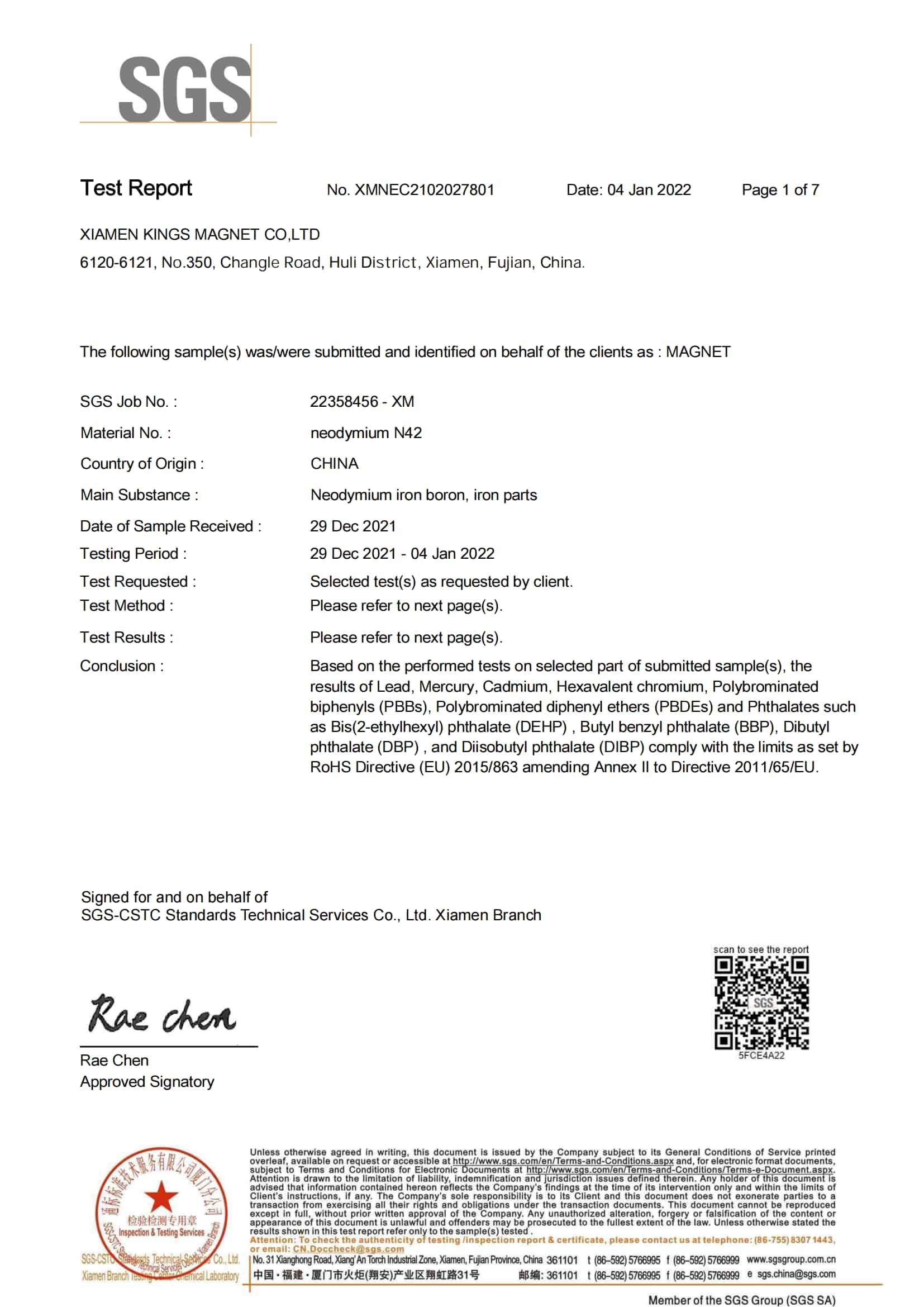
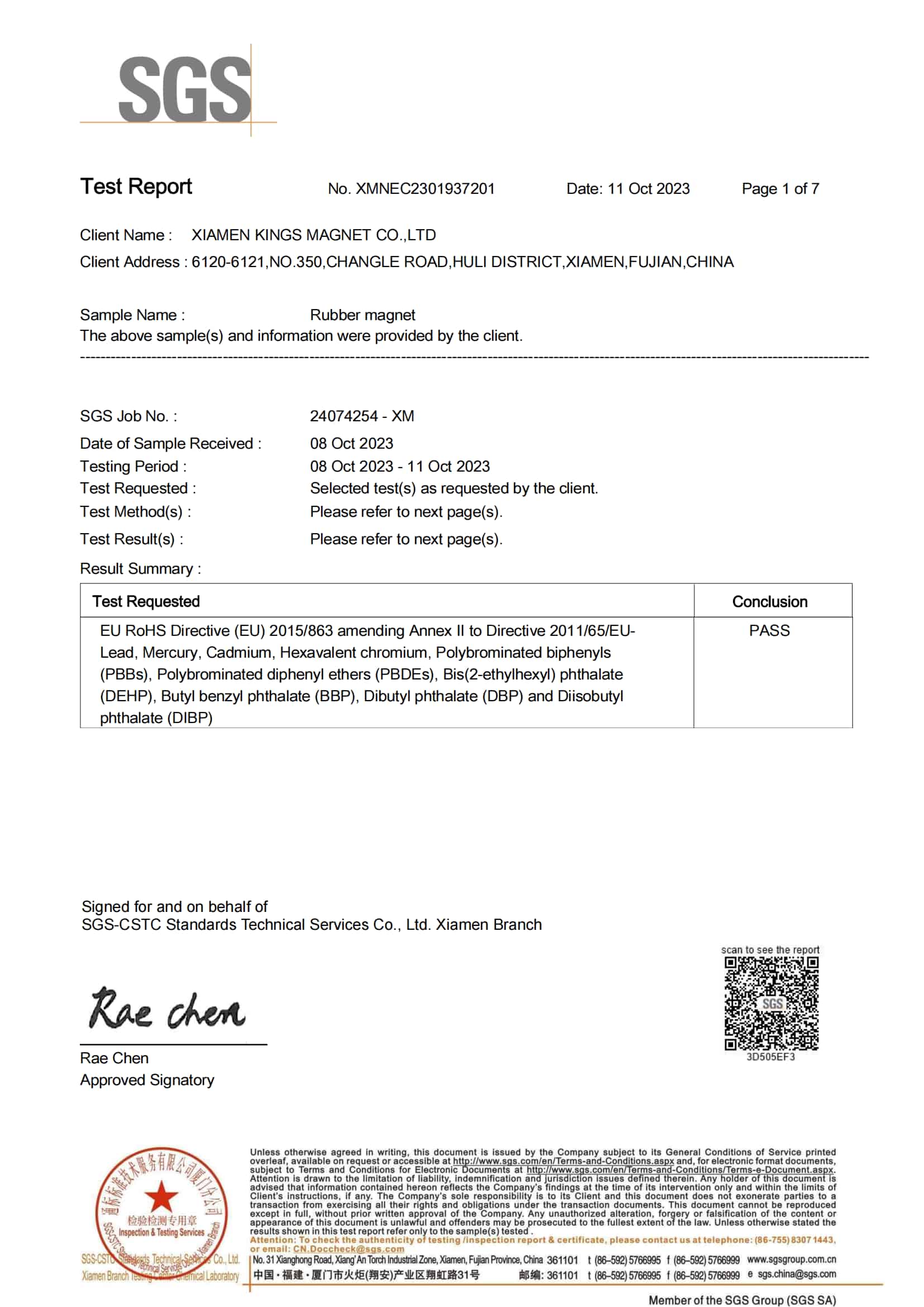
Established in 2014 and headquartered in the beautiful coastal city of Xiamen, Xiamen Kings Magnet Co., Ltd. is a national high-tech enterprise specializing in the R&D, manufacturing, and sales of high-performance magnetic equipment. We are committed to providing innovative and efficient magnetic solutions for global industrial applications, driving the advancement of magnetic technology in high-end manufacturing.     Products & Services     We have built a full industrial chain from magnetic material development to high-end magnetic component manufacturing.   Our core products include Magnetic Transmission Systems (e.g., magnetic couplings, magnetic wheels, halbach magnet array) Magnetic Separation Equipment (e.g., magnetic grate, magnetic separators) Fixation & Holding Solutions (e.g., lifting electromagnet, permanent magnetic chuck) Motor & Motion Systems (e.g., magnetic rotor, linear motor track)   Our Services Industry-Specific Customization: Tailored magnetic system design and optimization. Technical Support: Full-process consultation from material selection to application. Global Supply: Fast response and stable delivery.     Competitive Advantages     Technological Leadership Certified with ISO 9001, CE, RoHS, and other international standards. Independently developed high-corrosion-resistant, high-temperature-resistant magnetic materials with industry-leading performance.   Global Presence Products exported to 50+ countries and regions, including Europe, America, Japan, and South Korea. Key markets: China, Southeast Asia, North America, and Europe.   Smart Manufacturing Capabilities Operates two intelligent production bases in Xiamen and Zhejiang. Annual production capacity exceeds 50,000 tons, supporting large-scale customization.   Industry Expertise Serves 3,000+ clients in high-end industries such as new energy vehicles, industrial automation, medical devices, and food processing.     Applications     New Energy Vehicles: High-efficiency magnetic drive systems for improved motor performance. Industrial Automation: Precision magnetic fixtures and transmission for enhanced productivity. Medical Devices: High-stability magnetic components for reliable equipment operation. Food Processing: Food-grade magnetic separation equipment for safety compliance.
Learn More
About Kingsmagnet

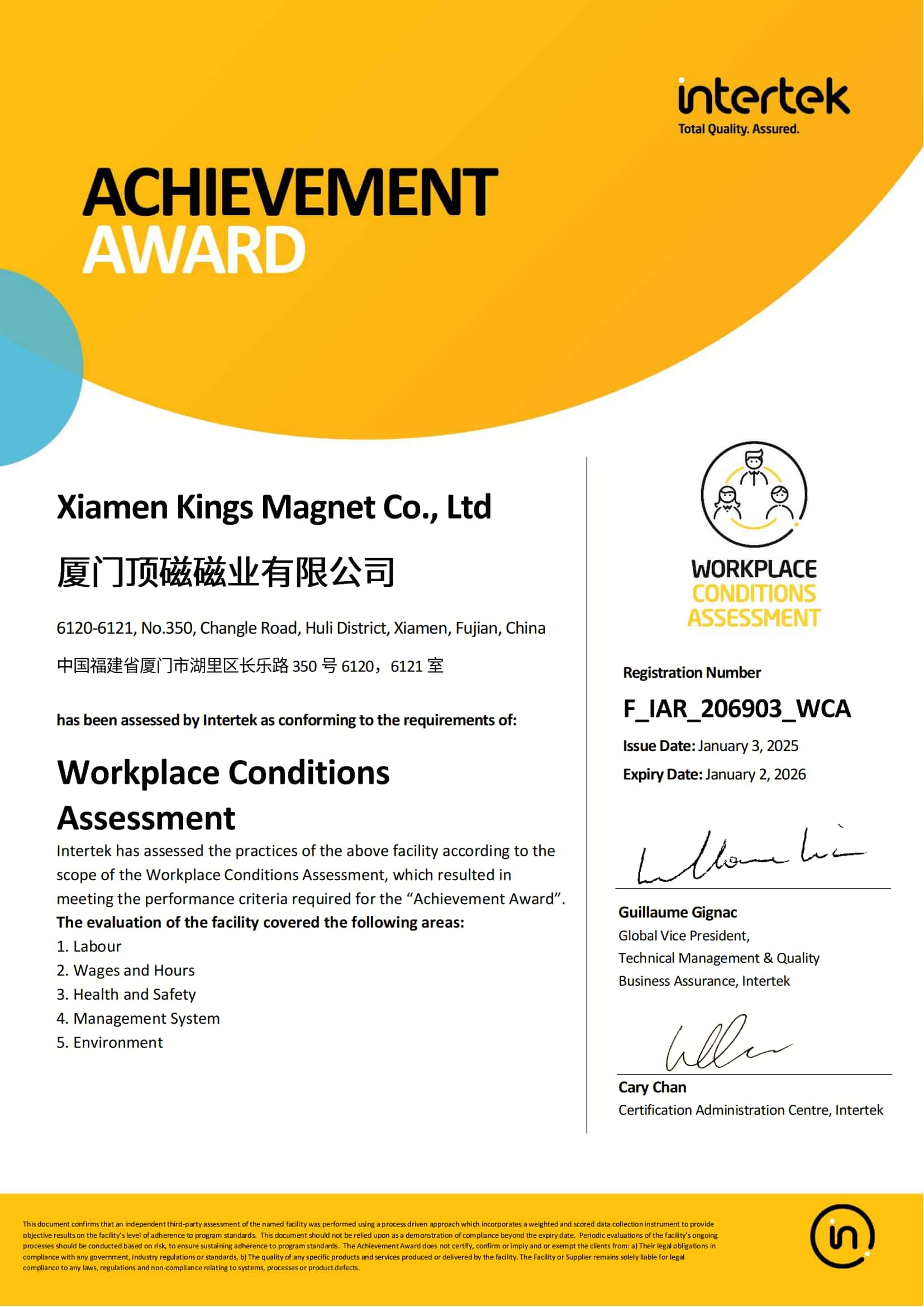
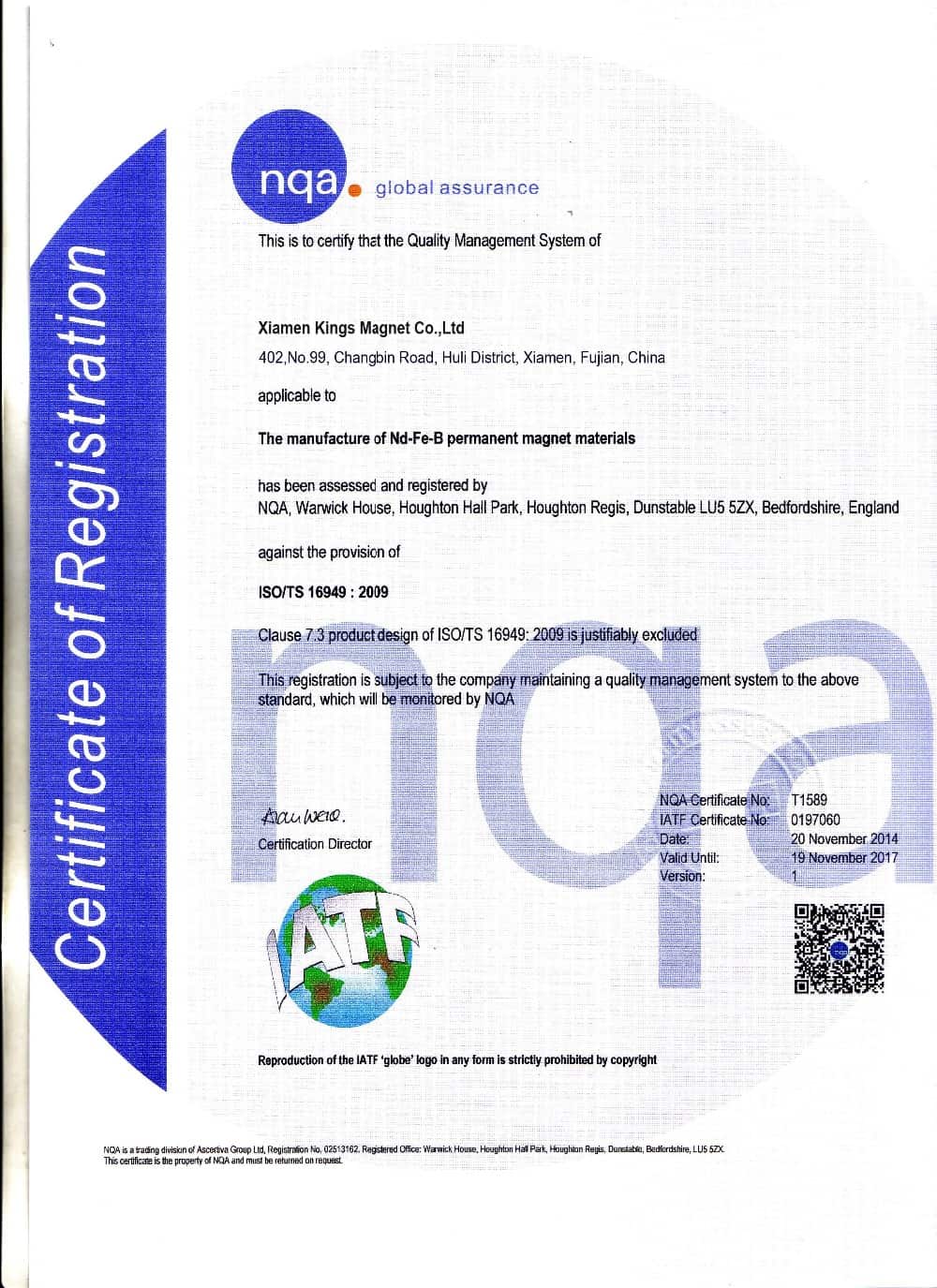
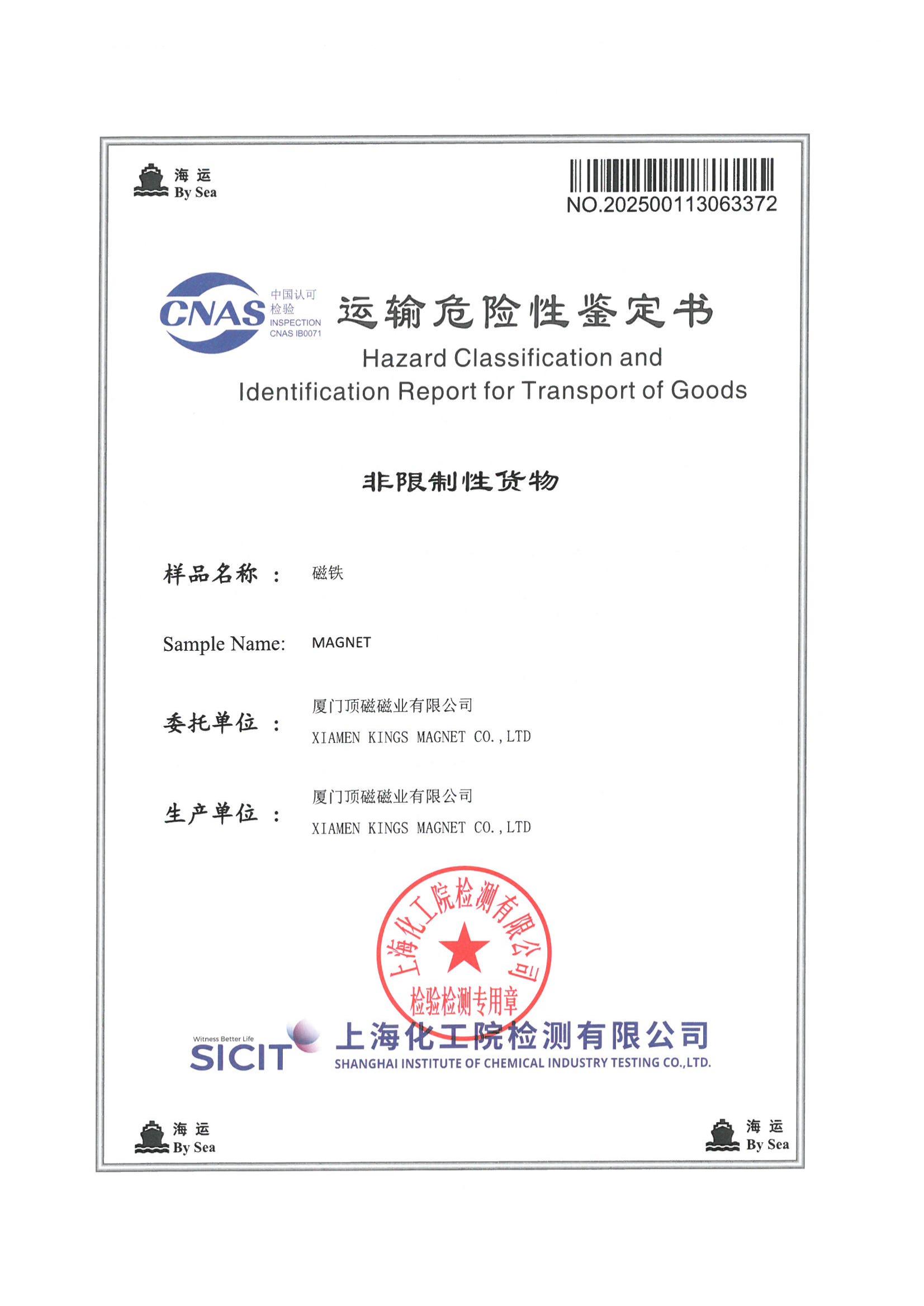
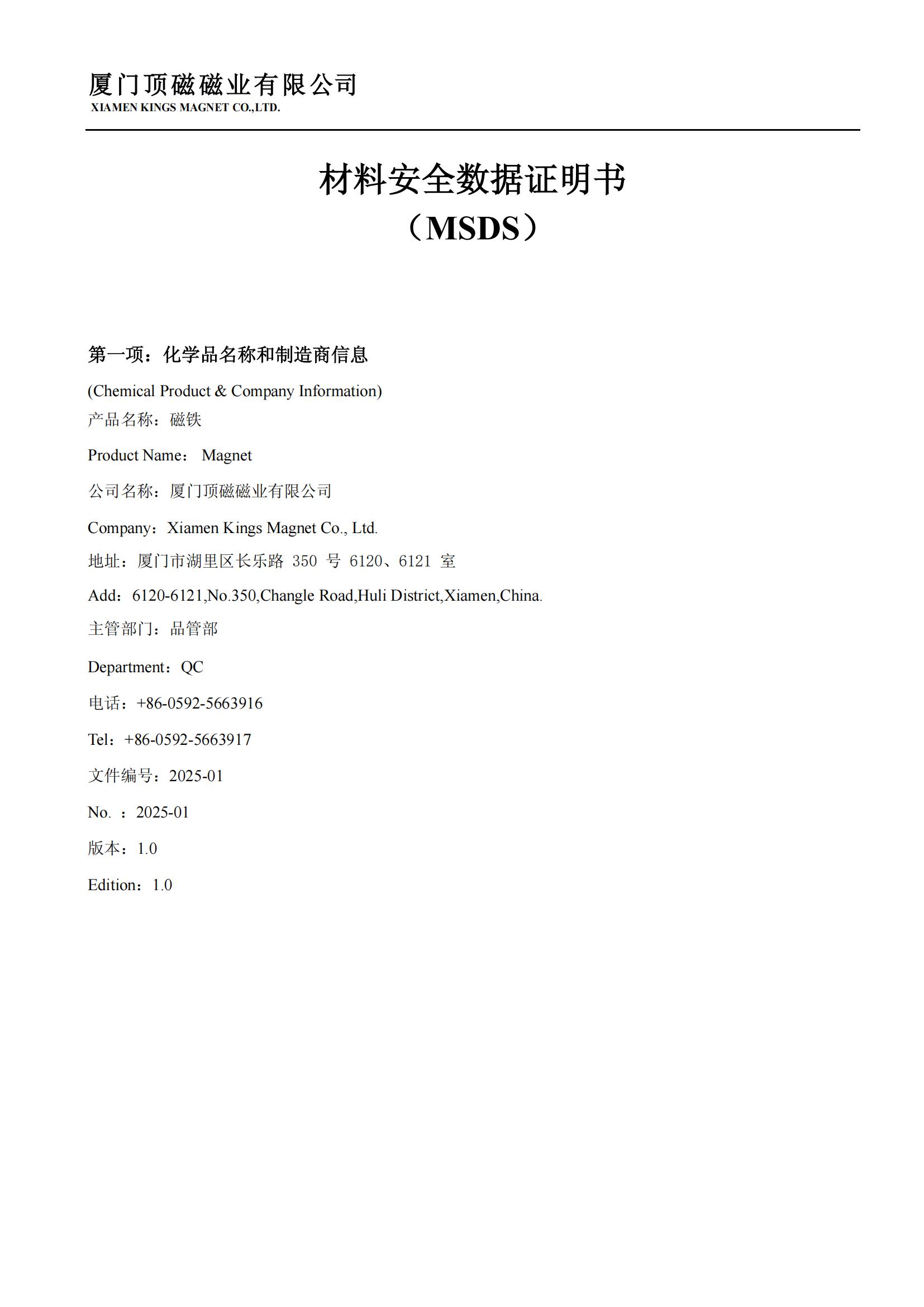
Our Certifications

Latest Blog Posts

Keep up to date with the latest blog and events.
How to Choose Magnetic Wheel for Wall Climbing Robot
How to Choose Magnetic Wheel for Wall Climbing Robot The Right Magnetic Wheel Determines Robot Performance Choosing the right Magnetic Wheel for Wall Climbing Robot is make-or-break for stable adhesion, safe operation, and long service life—but far too many engineers and manufacturers fall into costly pitfalls: weak adsorption force that makes robots slip mid-climb, poor surface adaptability that fails to grip curved steel walls, or excessive weight that drains power and shortens runtime. These issues don’t just delay projects—they hike maintenance costs, create safety hazards, and derail your robot’s performance. The solution? Focus on three core elements: High Adhesion Magnetic Wheel, Curved Surface Magnetic Wheel, and Lightweight Magnetic Wheel. These targeted solutions balance adhesion, adaptability, and portability, helping you avoid costly mistakes and unlock your wall climbing robot’s full potential. Magnetic Wheel Performance Comparison Table Wondering how different magnetic wheels stack up in real-world use? We’ve put together a data comparison table that breaks down key performance metrics for four common Magnetic Wheel for Wall Climbing Robot types. Use it to quickly pick the perfect fit for your scenario (test conditions: 10mm thick polished steel wall, room temperature, robot load 50kg). Magnetic Wheel Type Adhesion Force (N) Curved Surface Adaptability (Curvature Radius ≥0.22m) Weight (kg/unit) Service Life (Hours) Applicable Scenarios Standard Magnetic Wheel (Ordinary Material) 120 Poor (Slippage Occurs) 0.8 2000 Flat Steel Walls, Light Load High Adhesion Magnetic Wheel (NdFeB Material) 250 General (No Slippage) 1.1 3500 Heavy Load Inspection, High-Rise Steel Structures Curved Surface Magnetic Wheel (Optimized Structure) 210 Excellent (Smooth Movement) 0.9 3000 Curved Tanks, Wind Turbine Towers Lightweight Magnetic Wheel (Aluminum Alloy Frame) 180 Good (Minor Adjustment Needed) 0.5 2800 Portable Robots, Long-Duration Operations Tip 1: Prioritize High Adhesion Magnetic Wheel for Heavy Loads & Safety First rule of Magnetic Wheel for Wall Climbing Robot selection: Prioritize a High Adhesion Magnetic Wheel for heavy-load or high-risk jobs. Weak adhesion is the #1 safety risk—if your magnetic wheel can’t deliver at least 1.5 times the robot’s total weight in adsorption force, it will slip, fall, and destroy equipment (or worse). A High Adhesion Magnetic Wheel, built with high-grade neodymium magnets and optimized magnetic circuits, delivers 200-300N of grip—enough to keep your robot stable even when fully loaded with inspection or repair tools. This fixes the “unreliable adhesion” pain point and gives you a critical benefit: safe, worry-free operation in high-altitude, heavy-load scenarios like petrochemical tank inspections or nuclear industry thickness measurements. Tip 2: Choose Curved Surface Magnetic Wheel for Curved Structures Second: Match your magnetic wheel to your working surface. If your robot operates on curved structures (think cylindrical tanks or wind turbine towers), a Curved Surface Magnetic Wheel is non-negotiable. Standard flat magnetic wheels fail here—they make poor contact, lose adhesion, and move erratically on curved walls. A Curved Surface Magnetic Wheel features an optimized arc design and adaptive magnetic circuit, ensuring full contact with curved surfaces and consistent grip even when the curvature radius is as small as 0.22m. This solves the “poor surface adaptability” headache and saves you money: one magnetic wheel for both flat and curved steel walls, no need to buy multiple types. Tip 3: Opt for Lightweight Magnetic Wheel for Long Runtime & Portability Finally, don’t sleep on a Lightweight Magnetic Wheel—especially if your robot needs long runtimes or portability. Overly heavy magnetic wheels add unnecessary weight, jacking up power consumption and cutting battery life (a top complaint for long-duration inspection robots). A Lightweight Magnetic Wheel uses a high-strength aluminum alloy frame and optimized magnet layout, slashing weight by 30-40% compared to standard wheels—without sacrificing adhesion. This fixes the “high power consumption, short runtime” pain point and delivers big benefits: longer battery life, lower energy costs, and easier installation and maintenance. Xiamen kings magnet Co., Ltd. has been deeply engaged in the magnetic industry for more than ten years, providing you with professional magnetic solutions. Professional customized production of magnetic wheel,  Halbach magnetic components, climbing wall robot components, magnetic roller and other non-standard magnetic components! We are committed to the research and production of high-performance, high-precision, and high-difficulty products, truly meeting customers' maximum needs for product applicability, economy, and reliability!   FAQ (Frequently Asked Questions) Q1: What’s the minimum adhesion force required for a Magnetic Wheel for Wall Climbing Robot?A1: The minimum adhesion force should be 1.5-2 times the robot’s total weight (including load). For example, if your robot weighs 50kg (total weight with load), the magnetic wheel’s adhesion force should be at least 750N (4 units × 187.5N per unit) to ensure safe climbing without slipping, which is achievable with a High Adhesion Magnetic Wheel. Q2: Can a Curved Surface Magnetic Wheel be used on flat walls?A2: Yes—Curved Surface Magnetic Wheels are designed with adaptive structures that can also work on flat steel walls. They maintain good contact and adhesion, making them versatile for both flat and curved surfaces. This eliminates the need to purchase separate magnetic wheels for different surface types, saving costs. Q3: Will a Lightweight Magnetic Wheel compromise adhesion force?A3: No—high-quality Lightweight Magnetic Wheels use high-grade neodymium magnets and optimized magnetic circuit design to balance weight and adhesion. They are 30-40% lighter than standard magnetic wheels but still provide sufficient adhesion (180-200N per unit), meeting the needs of most portable and long-duration operation scenarios. Q4: How to extend the service life of a Magnetic Wheel for Wall Climbing Robot?A4: Choose magnetic wheels with corrosion-resistant surface treatment (e.g., nickel coating) to avoid rust in harsh environments; regularly clean the wheel surface to remove dust and debris that reduce adhesion; and avoid excessive load beyond the magnetic wheel’s rated adhesion force. High Adhesion and Curved Surface Magnetic Wheels typically have a longer service life (3000+ hours) due to their high-quality materials and optimized structure.
Apr 28, 2026
Comprehensive analysis of magnetic coupling
Magnetic coupling is a transmission device that uses the magnetic force of permanent magnets or electromagnets to achieve non-contact torque transmission, and can complete power transmission without mechanical connection. The following is a comprehensive analysis of it:   1. Core Principle Magnetic coupling The torque transmission between the active end and the driven end is achieved through the interaction of the magnetic field generated by permanent magnets (such as NdFeB, SmCo) or electromagnets. Non-contact transmission There is a physical gap (air gap) between the two components to avoid mechanical friction. The typical gap is 0.1~10mm, depending on the design.   2. Main Types Synchronous magnetic coupling Structure: The inner and outer rotors are inlaid with permanent magnets, and the N-S poles are arranged alternately. Features: Torque is synchronized with speed, but may lose step (slip) when overloaded. Application: Scenarios that require precise transmission such as pumps and fans. Eddy current magnetic coupling (asynchronous type) Structure: The conductor disk (copper/aluminum) rotates in the magnetic field to generate eddy currents and form torque. Features: With soft start and overload protection capabilities, but there is slip (speed difference). Application: High-power speed regulation or buffer start equipment. Axial and radial magnetic circuit design Axial: The magnets are arranged along the axial direction, suitable for small torque and high speed. Radial: The magnets are arranged along the radial direction, with greater torque but complex structure.   3. Key Advantages Zero leakage: The sealing field (such as chemical pumps) eliminates medium leakage. Maintenance-free: No wear parts, long life. Vibration reduction and noise reduction: Isolate vibration and reduce system noise. Overload protection: Automatically slip when the torque exceeds the limit to protect the equipment. Adapt to harsh environments: Corrosion resistance, high temperature (Samarium Cobalt magnets can reach 350℃).   4. Performance Parameters Parameter Typical Range / Description Torque 0.1 Nm ~ 50 kNm (Customizable for high torque) Efficiency Synchronous type > 95%, Eddy-current type 80%~90% Maximum Speed Up to 50,000 rpm (Requires high-precision balancing) Temperature Limit -50°C ~ +300°C (Depends on magnet material)   5. Selection Points Torque requirements: Start torque, working torque and peak torque need to be calculated. Air gap requirements: The larger the air gap, the more significant the decrease in torque transmission capacity (inversely proportional to the square of the distance). Environmental factors: Corrosive media need to be encapsulated in stainless steel; samarium cobalt magnets are used in high temperature environments. Out-of-step torque: Select a rated value 20%~30% higher than the working torque to prevent slippage.   6. Typical Application Scenarios Chemical/pharmaceutical: magnetic pump, reactor stirring (leakage prevention). Vacuum system: semiconductor equipment transmission (pollution-free). Food machinery: avoid lubricant contamination. New energy: fuel cell circulation pump, wind power generation variable pitch system.   7. Limitations High cost: Permanent magnetic materials (especially rare earth magnets) are expensive. Axial force problem: The influence of axial attraction between magnets on bearings needs to be considered at high power. Torque limitation: Super large equipment requires multi-magnetic circuit parallel design.   8. Future Trends High temperature superconducting magnets: Improve torque density and reduce magnet volume. Intelligent control: Combine sensors to achieve real-time torque monitoring and adjustment. Composite materials: Lightweight and corrosion resistance optimization.
Jun 06, 2025
Breakthroughs In New Magnetic Wheel Technology
In recent years, driven by the growing demand for industrial automation, wall-climbing robots have emerged as vital tools in industries such as petrochemicals, power generation, and shipbuilding, thanks to their ability to operate on vertical surfaces.  Among their core components, magnetic wheels stand out for their high stability, strong load-bearing capacity, and adaptability, pushing the industry toward greater efficiency and safety.When paired with wheeled or tracked drive systems, they enable the robot to move with agility.--Strong load capacity: For example, our standard magnetic wheel (model KMW160) can provide up to 2940N of vertical pulling force, making it suitable for heavy-duty operations.--Adaptation to complex surfaces: Optimized designs allow magnetic wheels to conform to various curved steel surfaces such as those found on ships and storage tanks.--Low energy consumption: With no need for constant vacuuming, they reduce energy usage and extend the operating time of the robot.Application Cases of Magnetic Wheels in Wall-Climbing Robots:1)Shipbuilding and MaintenanceThe WRobot series developed by the Guangdong Academy of Sciences' Institute of Intelligent Manufacturing utilizes magnetic wheel technology and can carry loads exceeding 50 kg.  It has performed exceptionally in tasks like hull welding and rust removal.2)Wind and Nuclear Power InspectionMagnetic wheel wall-climbing robots are used for non-destructive testing (NDT) of wind turbine towers and nuclear pressure vessels.  A model developed by Shandong University of Science and Technology has demonstrated stable climbing on vertical and cylindrical walls during factory tests, improving inspection efficiency and reducing manual risks.3)Petrochemical Tank MaintenanceIn tasks like flaw detection and painting of large storage tanks, magnetic wall-climbing robots offer a safer and more efficient alternative to manual labor.  For example, robots from Portugal's OmniClimbers use specially designed magnetic wheels to adapt to varying curvatures and magnetic properties of steel surfaces.Future Development TrendsWith continued advances in materials science and magnetic circuit optimization, magnetic wheel technology is evolving toward being lighter, more powerful, and smarter:Material Innovation: The use of high-performance neodymium-iron-boron (NdFeB) magnets increases magnetic force density while reducing volume and weight.Conclusion the maturation of magnetic wheel technology is providing critical support for the application of wall-climbing robots in hazardous and challenging operational scenarios.  With the continuous advancement of modern industry and intelligent manufacturing, magnetic wheels are expected to be applied in more industries and become an important part of professional service robots.
May 08, 2025
Overview Of Electromagnetic Chuck Technology
Electromagnetic chuck working based on electromagnetic principles which is a machine tool accessory. When the internal coil is energized, it generates a magnetic force that is transmitted through a magnetic conductive panel to firmly hold ferrous workpieces on its surface. Once the power is cut off, the magnetic force disappears, allowing for demagnetization and release of the workpiece. Its mechanism seems simple, but it is a complex combination of electromagnetism and materials science.   Modern electromagnetic chucks use direct current (DC) power supply, offering advantages such as high stability, strong magnetic force, and low residual magnetism. Based on magnetic force, they are classified into standard magnetic chucks (magnetic force of 10–12 kg/cm²) and high-power electromagnetic chucks (magnetic force not less than 14 kg/cm²). Depending on their applications, there are various types including chucks for grinding machines, chucks for milling and planing machines, and chucks for knife grinders.   Electromagnetic chuck is a kind of machine tool accessory equipment based on electromagnetic principle. Through the internal coil energized to generate magnetic force, and then through the conductive panel will be contacted in the panel surface of the iron workpiece tightly adsorption, power failure after the disappearance of the magnetic force to achieve demagnetization, so as to complete the workpiece fixed and release. Seems to be a simple principle behind the electromagnetic and material science is a subtle combination.  
May 08, 2025
Technological Evolution Of Electromagnetic Chucks
Electromagnetic chucks were initially developed as a replacement for clamps and bolts to secure workpieces on grinding machines. These early chucks were relatively simple and primarily used to hold flat workpieces, which greatly limited their application. With the development of industry, the demand for more advanced electromagnetic tools in the industry is constantly increasing, which has driven the continuous innovation and improvement of chuck technology.Electromagnetic chucks have a wide variety of pole arrangements. The cross-sectional shape and distribution of the magnetic core varies from workpiece to workpiece. Common types of construction include rectangular and circular. Rectangular poles can be arranged longitudinally or transversely, with the longitudinal arrangement being suitable for holding larger workpieces and the transverse arrangement being more suitable for holding smaller workpieces.  .Performance improvement has been a key breakthrough area in recent years. Conventional electromagnetic chucks suffer from the defects of uniform distribution of magnetic lines of force on the surface, non-concentration of magnetic force, and low magnetic field strength per unit area. At the same time, the direction of the magnetic force is perpendicular to the surface of the suction cup and is difficult to change. Only one magnetic force can be generated for the workpiece with the same suction area. These problems cause the problem such as low positioning accuracy, weak clamping force, narrow application range and low production efficiency during processing.To solve these problems, a new generation of electrically controlled powerful suction cups has emerged, whose features include:1) It has an extremely strong holding force, up to 16kg/cm², and the magnetic force distribution is uniform and adjustable. The holding force does not need to be maintained by connecting to a power supply. Continuous operation does not generate heat, avoiding the deformation of the workpiece due to heat.2) It can work continuously for more than 20 hours every day and requires almost no maintenance.3) It has an automatic auxiliary positioning function, and it only takes 0.3 seconds to clamp or release the workpiece.4) In contrast, the magnetic force of a common electromagnetic chuck requires a continuous current supply. After working for a period of time, it generates heat, which not only causes the workpiece to deform due to heat but also reduces the magnetic force of the chuck, making it impossible to ensure processing accuracy.Besides, ordinary electromagnetic chucks can only work for a few hours each day, the equipment is easy meet problems so it need to replacement and maintenance of internal components frequently.
May 08, 2025

Contact us

Our team of experts are ready to help find you solutions tailored to your specific needs.
Contact us today

leave a message

leave a message
For any request of information or technical support, fill in the form. All fields marked with an asterisk* are required.
Submit
Contact us :
+8615159285126

Home

Products

WhatsApp

contact