What Are You Looking For?
What Are You Looking For?
How to Choose Magnetic Wheel for Wall Climbing Robot
The Right Magnetic Wheel Determines Robot Performance
Choosing the right Magnetic Wheel for Wall Climbing Robot is make-or-break for stable adhesion, safe operation, and long service life—but far too many engineers and manufacturers fall into costly pitfalls: weak adsorption force that makes robots slip mid-climb, poor surface adaptability that fails to grip curved steel walls, or excessive weight that drains power and shortens runtime. These issues don’t just delay projects—they hike maintenance costs, create safety hazards, and derail your robot’s performance. The solution? Focus on three core elements: High Adhesion Magnetic Wheel, Curved Surface Magnetic Wheel, and Lightweight Magnetic Wheel. These targeted solutions balance adhesion, adaptability, and portability, helping you avoid costly mistakes and unlock your wall climbing robot’s full potential.
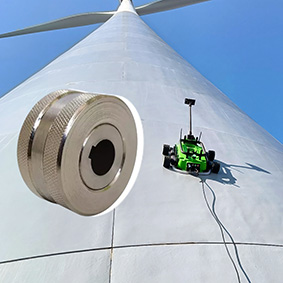
Magnetic Wheel Performance Comparison Table
Wondering how different magnetic wheels stack up in real-world use? We’ve put together a data comparison table that breaks down key performance metrics for four common Magnetic Wheel for Wall Climbing Robot types. Use it to quickly pick the perfect fit for your scenario (test conditions: 10mm thick polished steel wall, room temperature, robot load 50kg).
|
Magnetic Wheel Type |
Adhesion Force (N) |
Curved Surface Adaptability (Curvature Radius ≥0.22m) |
Weight (kg/unit) |
Service Life (Hours) |
Applicable Scenarios |
|
Standard Magnetic Wheel (Ordinary Material) |
120 |
Poor (Slippage Occurs) |
0.8 |
2000 |
Flat Steel Walls, Light Load |
|
High Adhesion Magnetic Wheel (NdFeB Material) |
250 |
General (No Slippage) |
1.1 |
3500 |
Heavy Load Inspection, High-Rise Steel Structures |
|
Curved Surface Magnetic Wheel (Optimized Structure) |
210 |
Excellent (Smooth Movement) |
0.9 |
3000 |
Curved Tanks, Wind Turbine Towers |
|
Lightweight Magnetic Wheel (Aluminum Alloy Frame) |
180 |
Good (Minor Adjustment Needed) |
0.5 |
2800 |
Portable Robots, Long-Duration Operations |
Tip 1: Prioritize High Adhesion Magnetic Wheel for Heavy Loads & Safety
First rule of Magnetic Wheel for Wall Climbing Robot selection: Prioritize a High Adhesion Magnetic Wheel for heavy-load or high-risk jobs. Weak adhesion is the #1 safety risk—if your magnetic wheel can’t deliver at least 1.5 times the robot’s total weight in adsorption force, it will slip, fall, and destroy equipment (or worse). A High Adhesion Magnetic Wheel, built with high-grade neodymium magnets and optimized magnetic circuits, delivers 200-300N of grip—enough to keep your robot stable even when fully loaded with inspection or repair tools. This fixes the “unreliable adhesion” pain point and gives you a critical benefit: safe, worry-free operation in high-altitude, heavy-load scenarios like petrochemical tank inspections or nuclear industry thickness measurements.
Tip 2: Choose Curved Surface Magnetic Wheel for Curved Structures
Second: Match your magnetic wheel to your working surface. If your robot operates on curved structures (think cylindrical tanks or wind turbine towers), a Curved Surface Magnetic Wheel is non-negotiable. Standard flat magnetic wheels fail here—they make poor contact, lose adhesion, and move erratically on curved walls. A Curved Surface Magnetic Wheel features an optimized arc design and adaptive magnetic circuit, ensuring full contact with curved surfaces and consistent grip even when the curvature radius is as small as 0.22m. This solves the “poor surface adaptability” headache and saves you money: one magnetic wheel for both flat and curved steel walls, no need to buy multiple types.
Tip 3: Opt for Lightweight Magnetic Wheel for Long Runtime & Portability
Finally, don’t sleep on a Lightweight Magnetic Wheel—especially if your robot needs long runtimes or portability. Overly heavy magnetic wheels add unnecessary weight, jacking up power consumption and cutting battery life (a top complaint for long-duration inspection robots). A Lightweight Magnetic Wheel uses a high-strength aluminum alloy frame and optimized magnet layout, slashing weight by 30-40% compared to standard wheels—without sacrificing adhesion. This fixes the “high power consumption, short runtime” pain point and delivers big benefits: longer battery life, lower energy costs, and easier installation and maintenance.
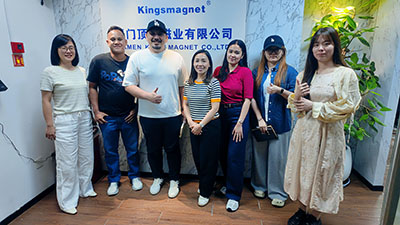
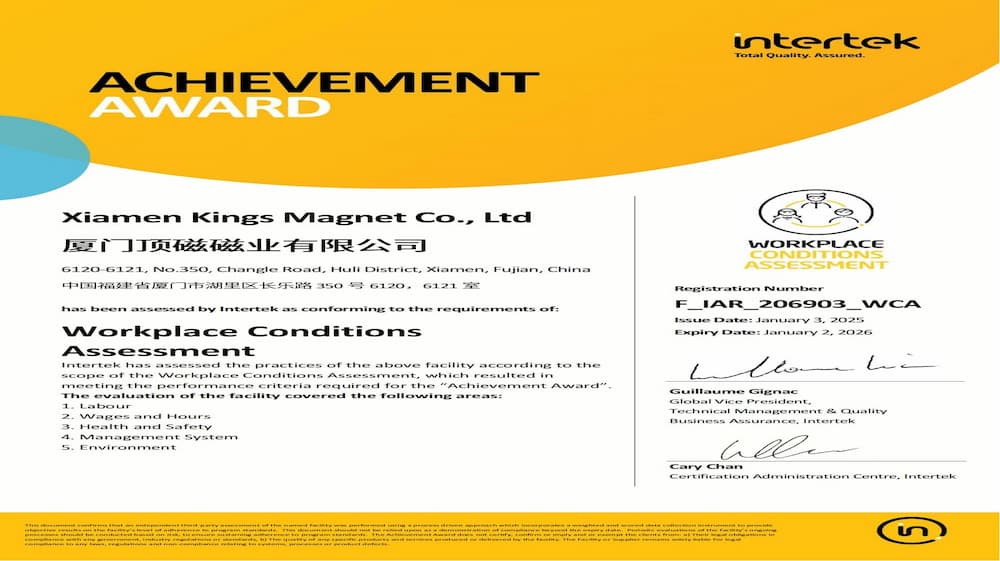
Xiamen kings magnet Co., Ltd. has been deeply engaged in the magnetic industry for more than ten years, providing you with professional magnetic solutions. Professional customized production of magnetic wheel, Halbach magnetic components, climbing wall robot components, magnetic roller and other non-standard magnetic components! We are committed to the research and production of high-performance, high-precision, and high-difficulty products, truly meeting customers' maximum needs for product applicability, economy, and reliability!
FAQ (Frequently Asked Questions)
Q1: What’s the minimum adhesion force required for a Magnetic Wheel for Wall Climbing Robot?
A1: The minimum adhesion force should be 1.5-2 times the robot’s total weight (including load). For example, if your robot weighs 50kg (total weight with load), the magnetic wheel’s adhesion force should be at least 750N (4 units × 187.5N per unit) to ensure safe climbing without slipping, which is achievable with a High Adhesion Magnetic Wheel.
Q2: Can a Curved Surface Magnetic Wheel be used on flat walls?
A2: Yes—Curved Surface Magnetic Wheels are designed with adaptive structures that can also work on flat steel walls. They maintain good contact and adhesion, making them versatile for both flat and curved surfaces. This eliminates the need to purchase separate magnetic wheels for different surface types, saving costs.
Q3: Will a Lightweight Magnetic Wheel compromise adhesion force?
A3: No—high-quality Lightweight Magnetic Wheels use high-grade neodymium magnets and optimized magnetic circuit design to balance weight and adhesion. They are 30-40% lighter than standard magnetic wheels but still provide sufficient adhesion (180-200N per unit), meeting the needs of most portable and long-duration operation scenarios.
Q4: How to extend the service life of a Magnetic Wheel for Wall Climbing Robot?
A4: Choose magnetic wheels with corrosion-resistant surface treatment (e.g., nickel coating) to avoid rust in harsh environments; regularly clean the wheel surface to remove dust and debris that reduce adhesion; and avoid excessive load beyond the magnetic wheel’s rated adhesion force. High Adhesion and Curved Surface Magnetic Wheels typically have a longer service life (3000+ hours) due to their high-quality materials and optimized structure.
Tel: +8615159285126 Email: sales@kingsmagnet.com

Tel : +8615159285126
Email : sales@kingsmagnet.com
Whatsapp : +8615159285126
6120-6121, No.350, Changle Road, Huli District, Xiamen, Fujian, China