What Are You Looking For?
What Are You Looking For?
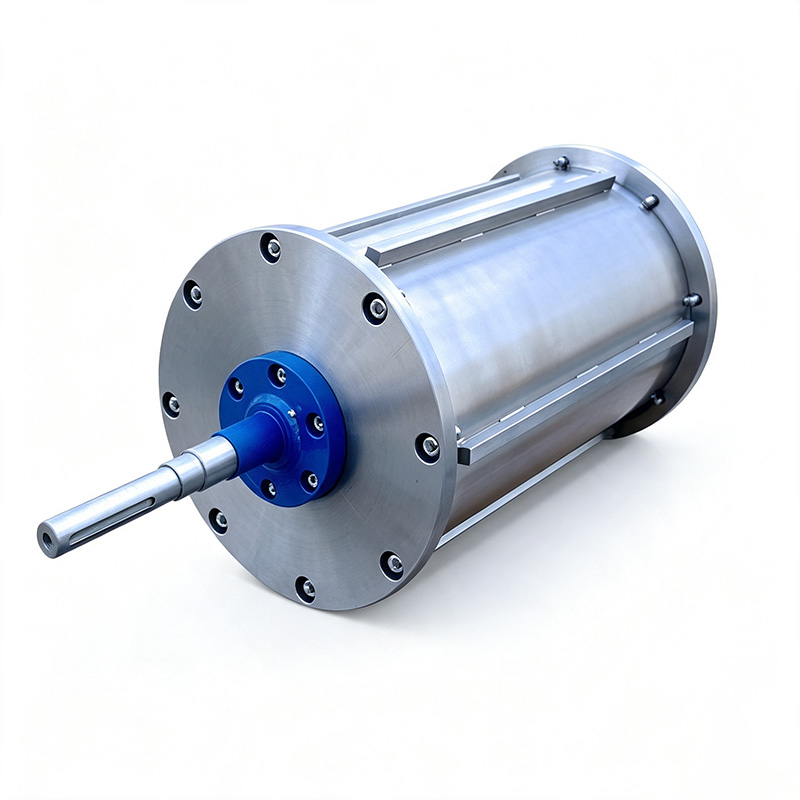
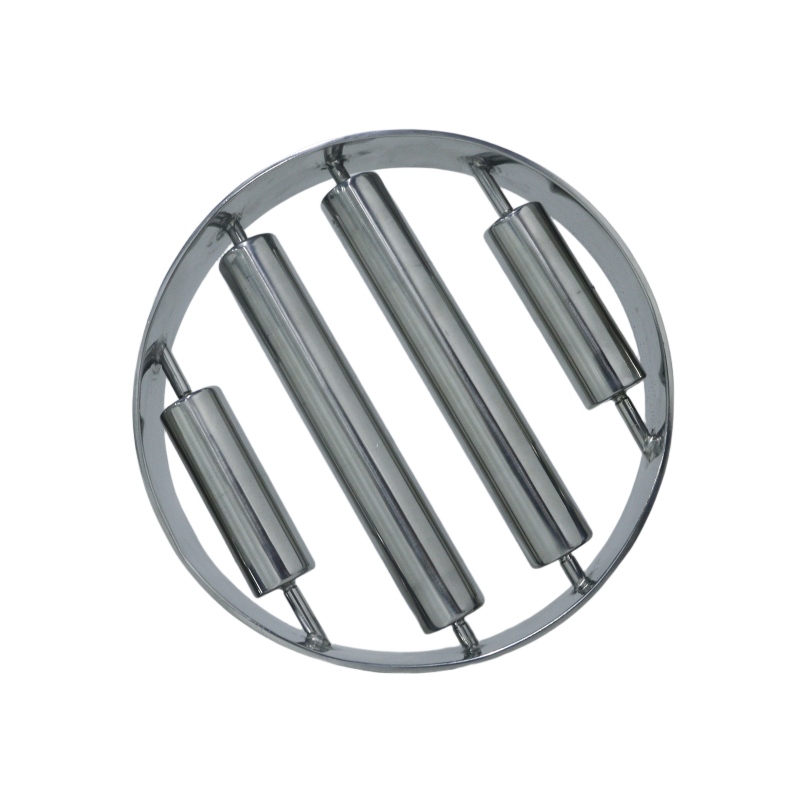
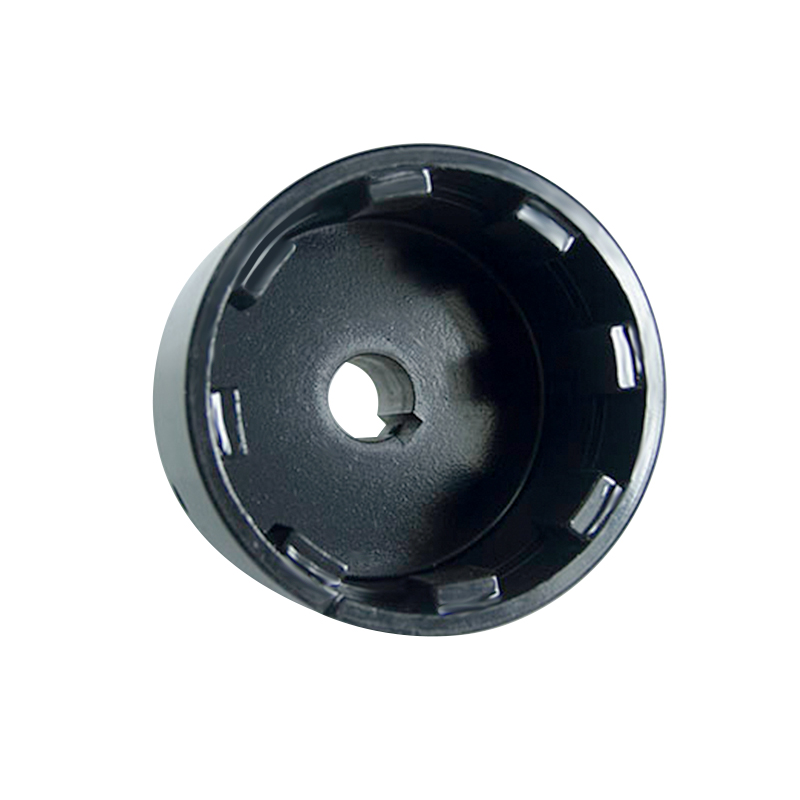
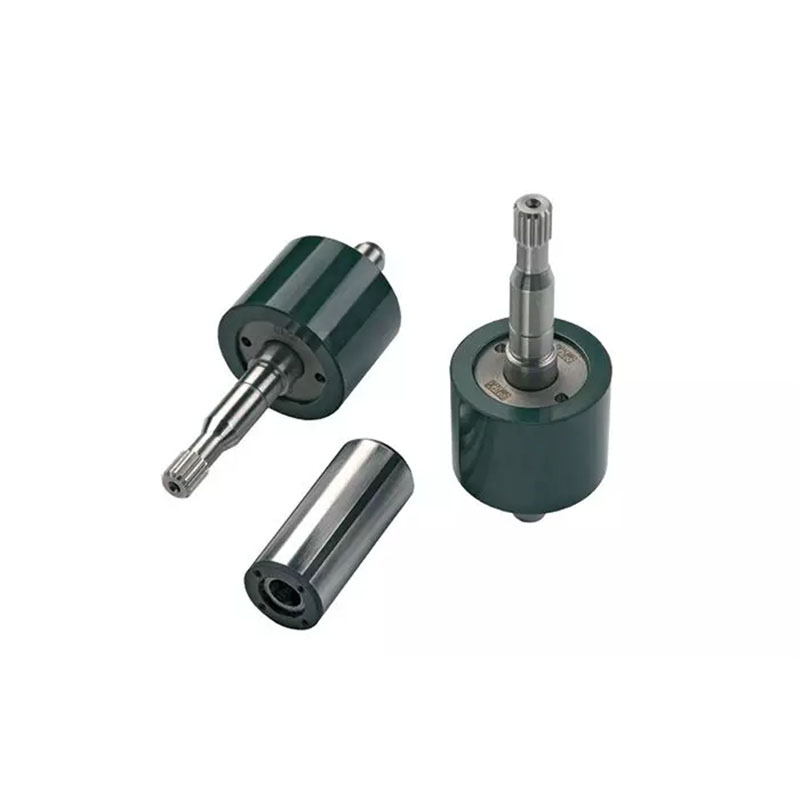
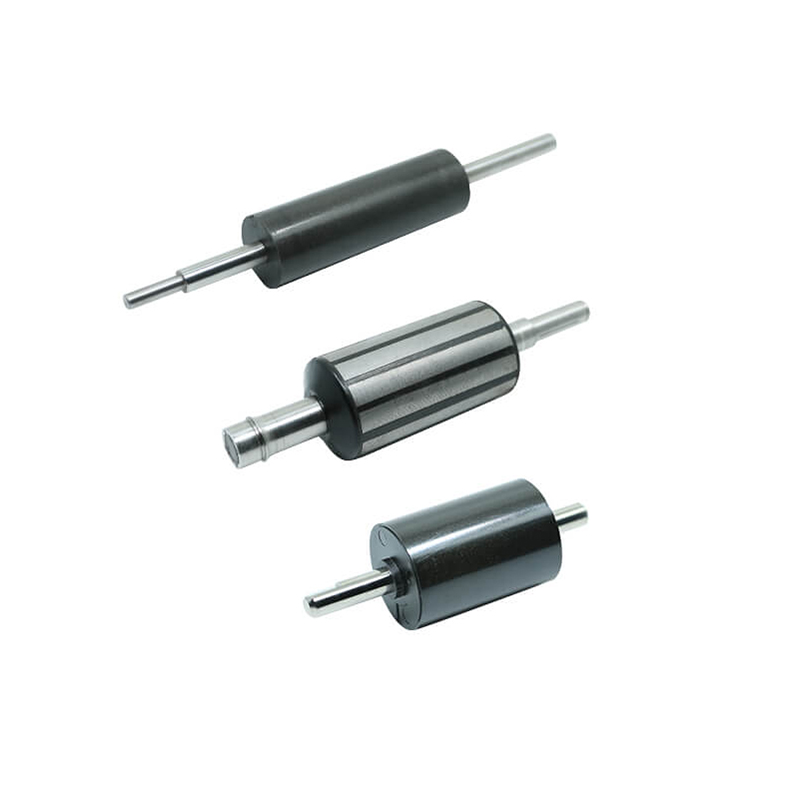
| Magnetic wheels mainly utilize magnetic fields to achieve non-contact transmission or braking. Their working principle is to transfer the rotational motion of the driving end to the driven end in a non-contact manner through the interaction force between magnets, thereby reducing wear, lowering noise, and extending service life. | 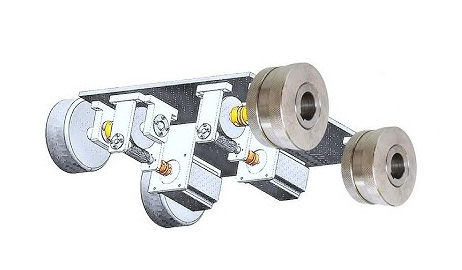 |
These magnetic wheels are a game-changer for robots that need to tackle tough jobs on metal surfaces. Made with powerful neodymium magnets, they offer unbeatable grip, letting your robots climb walls like they're walking on the sidewalk. Need to inspect ships, maintain wind turbines, or clean skyscraper exteriors? These wheels are up for the challenge.
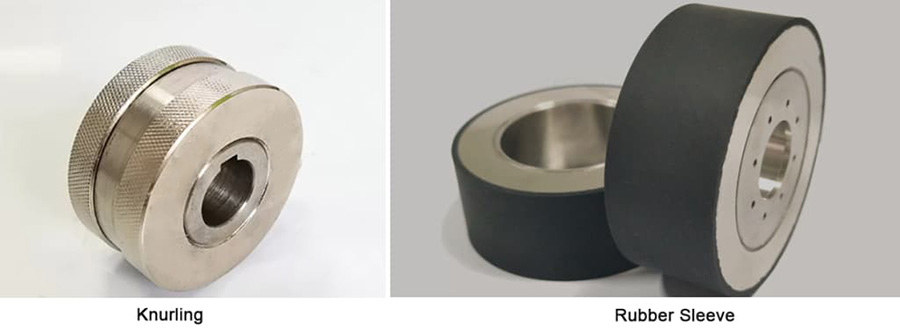
Here's what makes them so practical:
Super Strong Grip: Neodymium magnets ensure your robots stick to ferrous surfaces like glue, no slipping or sliding.
Size Options Galore: Choose the perfect wheel size (from 25mm to 180mm) to fit your specific robot needs.
Heavy Duty Hauler: These wheels can handle robots weighing up to 337kg (when used in sets of four).
Go the Extra Mile: Want even more grip? Add optional non-slip rubber rings for ultimate stability.
Built to Last: These wheels work flawlessly in a wide range of temperatures, from -40°C to 80°C.
| NO. | D (mm) | d (mm) | W (mm) | b (mm) | h (mm) | Force (N) | Temperature (℃) | Weight (kgs) |
| KMW25 | 25 | 8 | 16 | 3 | 8.6 | 55 | 100 | 0.054 |
| KMW32 | 32 | 10 | 18 | 4 | 11.1 | 80 | 100 | 0.10 |
| KMW40 | 40 | 12 | 20 | 4 | 13.1 | 120 | 100 | 0.20 |
| KMW50 | 50 | 16 | 25 | 5 | 17.3 | 200 | 100 | 0.35 |
| KMW63 | 63 | 20 | 32 | 6 | 21.7 | 330 | 100 | 0.70 |
| KMW80 | 80 | 25 | 40 | 8 | 26.7 | 630 | 100 | 1.45 |
| KMW100 | 100 | 30 | 50 | 8 | 31.7 | 900 | 100 | 2.80 |
| KMW125 | 125 | 40 | 62 | 12 | 42.1 | 1520 | 100 | 5.35 |
| KMW160 | 160 | 50 | 80 | 14 | 52.6 | 2940 | 100 | 11.40 |
Customization is supported
Tel: +8615159285126 Email: sales@kingsmagnet.com

Tel : +8615159285126
Email : sales@kingsmagnet.com
Whatsapp : +8615159285126
6120-6121, No.350, Changle Road, Huli District, Xiamen, Fujian, China